The Story of Winchester’s Silk Mill
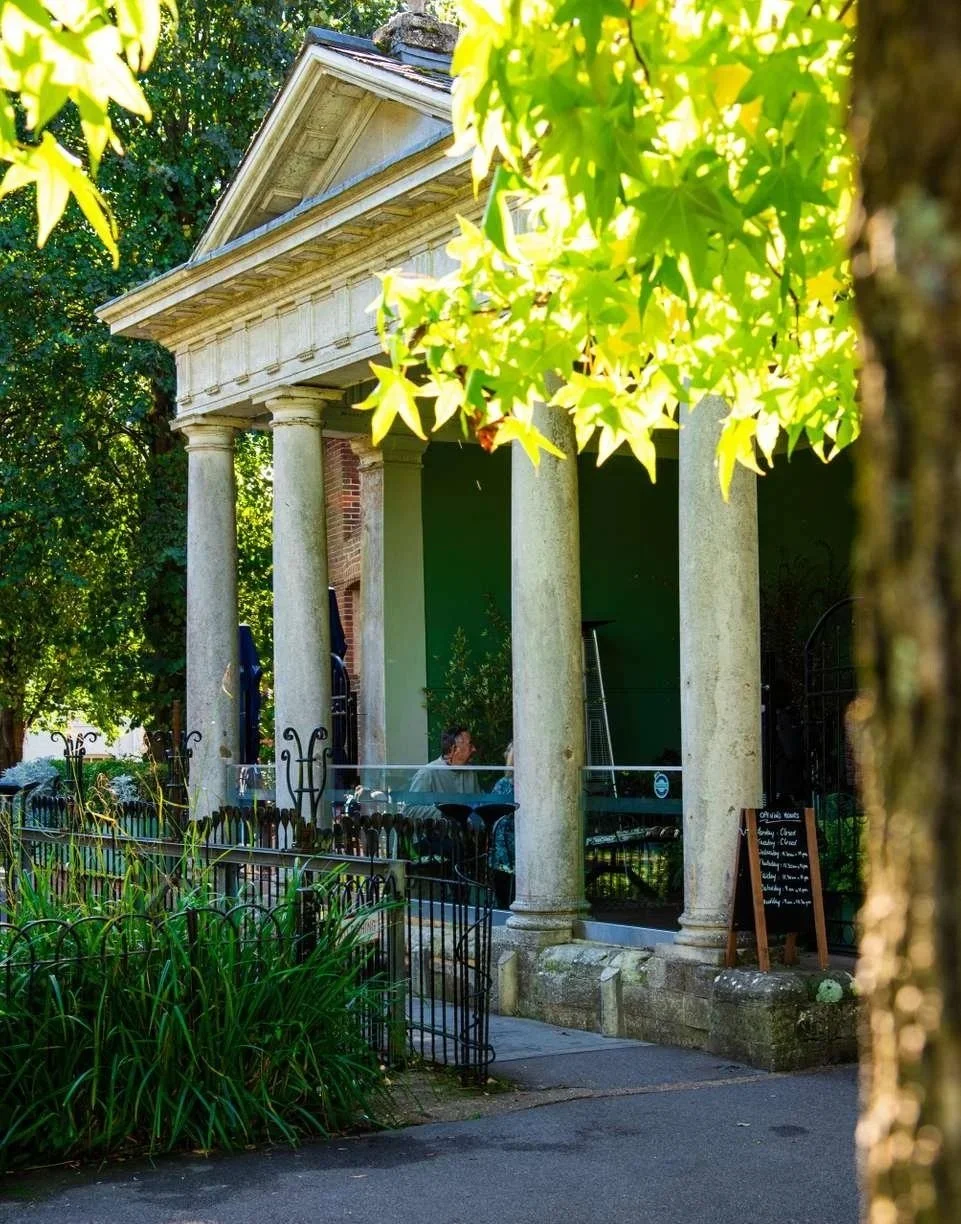
The Abbey Silk Mill was built in 1796 by local entrepreneur John Shenton beside the River Itchen, marking a brief but fascinating chapter in Winchester’s industrial past. At the height of England’s silk boom, the water-powered mill employed around 300 women and children — many from the city’s workhouse — twisting imported silk into thread strong enough for weaving. The mill brought new jobs and prosperity to Winchester, but shifting markets and the 1824 Silk Act soon undermined the trade. After Shenton’s death, his family struggled to keep the business going, and by 1829 the mill closed, ending silk production in the city.
During the War….
During the Second World War, Abbey Mill became a busy canteen and meeting place for both troops and local residents. Its central riverside location made it a natural stop for soldiers moving between Winchester’s camps, training grounds and transport routes.
The mill’s large rooms were converted into simple dining halls, with long tables, tea urns and volunteers serving hot meals made from rationed ingredients. Many remembered the steady queues, the warmth inside, and the comfort of a proper meal before heading back to duty.
Beyond food, the mill offered soldiers a place to rest, warm up, and write letters home, becoming part of Winchester’s wider effort to support those passing through the city. By the end of the war, Abbey Mill was widely seen as a small but important symbol of the city’s hospitality and morale.
Post-War Years
After the war, Abbey Mill shifted to civic uses, housing council offices and community services through the mid-20th century. It remained a familiar landmark overlooking the Itchen, even as its purpose evolved.
River Cottage Canteen (2014–2019)
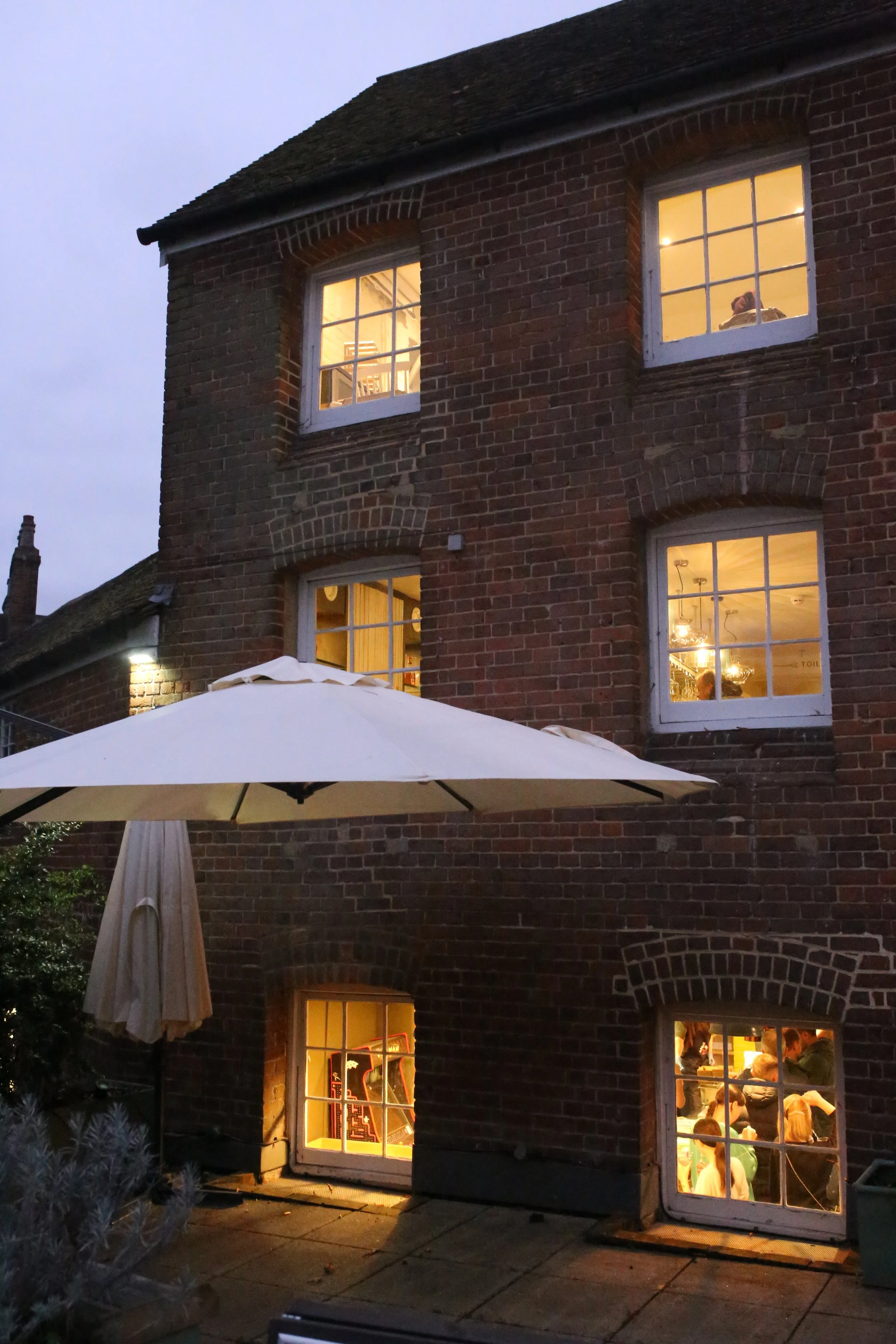
In 2014, the restored Grade II-listed building became home to Hugh Fearnley-Whittingstall’s River Cottage Canteen. With seasonal, locally sourced menus, it blended historic character with contemporary rustic design and quickly became a favourite dining spot.
Inn The Park (2020–2024)
The mill was reborn again in 2020 as Inn The Park — a relaxed bar and grill embracing the riverside setting with outdoor tables and warm, crafted interiors. It continued the site’s long tradition of hospitality until its closure in late 2024.
Abbey Mill (2025-Present)
After standing quiet for over a year, Abbey Mill has been brought back to life once more. Today, the historic building begins a fresh chapter as a versatile events venue, function hire space, and welcoming co-working hub — honouring its heritage while creating a vibrant place for the community to gather, work, and celebrate
A living Landmark
From industrial beginnings to civic offices and modern restaurants, Abbey Mill has continually evolved while preserving its historic spirit. Today, it stands as a symbol of Winchester’s ability to adapt its heritage for contemporary life — a place where centuries of history flow quietly beneath every meal and every conversation by the river.